Remote graphic design has become one of the most sought-after career paths in today’s digital economy.
Companies across industries are increasingly offering flexible positions to meet growing demand for creative professionals who can work from anywhere.
This article explores the remote graphic design positions in high demand, covering roles, pay ranges, and essential skills to help you succeed.
Why Remote Graphic Design Is Growing
Remote graphic design is growing fast as businesses go digital.
The demand for remote graphic design positions stems from online marketing, new tools, and lower costs.
- High Online Content Needs — brands need constant design output for websites and social media.
- Global Hiring — Companies can find great designers anywhere.
- Better Tools — Figma, Adobe XD, and Slack make remote teamwork smooth.
- Lower Costs — Hiring remote talent saves on office costs.
- Freelance Freedom — Designers prefer flexible, project-based work.
- Remote Culture — Most creative agencies now support remote work setups.
Most In-Demand Remote Graphic Design Roles
Here are some of the most in-demand remote graphic design roles you should know.
These roles reflect the opportunities available in the remote design market now. Understanding them will help you focus your skills and job search.
- Brand & Visual Identity Designer: Creates logos and visual systems to define a brand’s image across platforms.
- UI/UX & Web Graphic Designer: Designs websites and apps focused on usability and clean visual flow.
- Motion Graphics & Animation Designer: Produces animated visuals for ads, videos, and digital content.
- Freelance/Contract Graphic Designer: Works remotely on projects for clients, managing schedules independently.
- Social Media Graphic Designer: Designs posts, stories, and banners tailored for social media platforms.
- Packaging & Product Graphic Designer: Creates packaging designs that align with brand and production needs.
- Illustration & Character Designer: Develops icons, illustrations, and mascots that enhance brand storytelling.
- Environmental & Digital Experience Designer: Designs visuals for digital events, signage, or immersive experiences.
Key Skills & Tools You Need
To succeed in design today, you need creativity, technical skill, and clear communication.
Top remote graphic design positions in high demand require strong mastery of tools and effective time management. Here are the key skills and tools that set you apart.
- Design Software Expertise – Know Adobe Creative Cloud, Figma, Sketch, and Canva for varied design work.
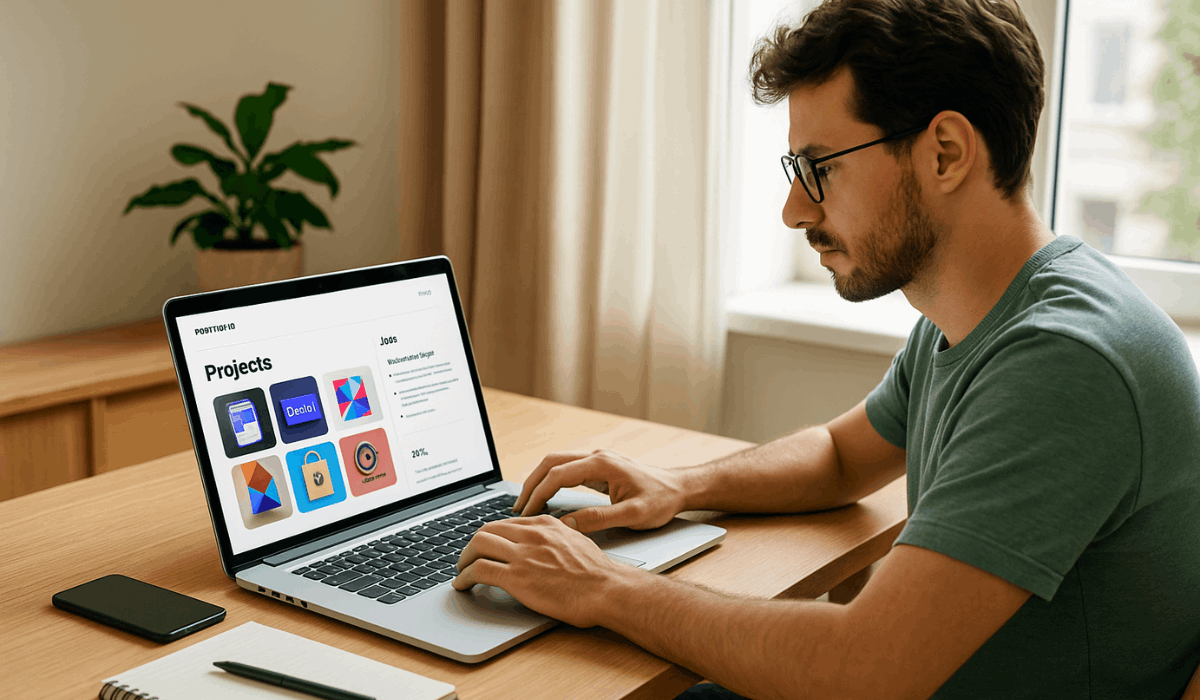
- Portfolio Development – Build a strong online portfolio that highlights your best remote-ready projects.
- Communication Skills – Be clear in feedback, revisions, and client updates across time zones.
- Time Management – Use planners or apps like Trello or Asana to meet project deadlines remotely.
- Creativity & Adaptability – Develop unique design ideas while adjusting to different client styles.
- Knowledge of Branding – Understand color theory, typography, and brand consistency principles.
- Collaboration Tools – Use Slack, Zoom, and Google Workspace for team communication.
- File Sharing & Storage – Manage files with tools like Dropbox, Google Drive, or Notion.
- Basic Web Knowledge – Learn HTML/CSS basics and responsive design for web projects.
- Continuous Learning – Stay up to date on design trends and new software features.
How to Position Yourself for These Roles
To land a remote graphic design position in high demand, you need more than design talent.
You must showcase your work effectively, use the right job platforms, and negotiate wisely. Follow these steps to position yourself for success in remote design.
- Build a Strong Portfolio – Create an online portfolio that highlights your best remote-ready projects and shows variety.
- Tailor Your Resume and Profiles – Update LinkedIn and job site profiles with keywords like “remote graphic designer.”
- Use Job Boards and Networks – Search platforms like Dribbble, Behance, and Indeed for verified remote design roles.
- Show Remote Work Readiness – Emphasize time management, communication tools, and self-discipline in applications.
- Seek Testimonials – Ask clients or managers for short endorsements to build credibility.
- Negotiate Pay Confidently – Research salary averages before discussing rates or project pricing.
- Keep Learning – Enroll in online design or UX courses to stay competitive and relevant.
Challenges of Remote Graphic Design & How to Overcome Them
Remote design work gives flexibility but also brings challenges that affect focus and creativity.
Many in remote graphic design positions in high demand face issues with time zones, isolation, and communication.
Here are common challenges and quick ways to handle them.
- Isolation – Working alone can feel draining. Join design groups or hold regular video calls to stay connected.
- Time-Zone Differences – Global teams make coordination challenging. Use shared calendars and tools like Asana or Notion.
- Home Distractions – Household noise can break focus. Create a dedicated workspace and follow a set routine.
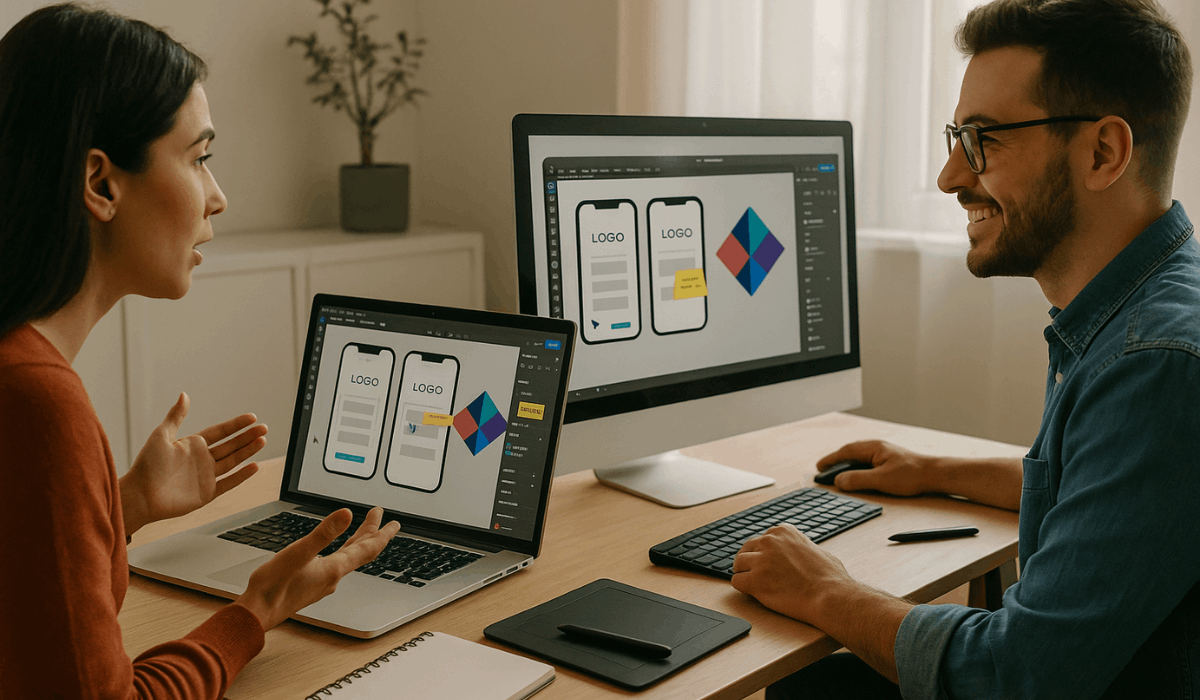
- Client Miscommunication – Remote feedback can be unclear. Confirm details in writing and use visuals to align ideas.
- Creative Burnout – Too many projects can kill inspiration. Take breaks and find new sources of creative input.
- Tech Issues – Poor internet slows work. Use reliable Wi-Fi, cloud storage, and backup devices.
Global Competition & Rate Differences
With remote work, designers now compete worldwide, leading to significant differences in pay and opportunity.
Understanding global competition and rate differences helps you price your work fairly and stay competitive. Here are the main points explained briefly.
- Location Impact – Pay varies widely by country; the U.S. and Western Europe offer higher rates than Asia or Latin America.
- Currency & Cost of Living – Local economy and exchange rates affect how much you earn or charge.
- Talent Pool Size – Global hiring increases competition, often lowering rates for general design work.
- Experience Level – Senior designers with strong portfolios earn more regardless of location.
- Specialization – Niche skills like UX or motion graphics can command higher rates.
- Client Budget – Companies set pay based on where they hire; startups often pay less than agencies or global brands.
- Freelance Platforms – Sites like Upwork and Fiverr show wide rate gaps, from $10 to $100+ per hour based on skill and region.
Career Progression & Long-Term Earnings
Here are key stages in your career progression as a remote graphic designer and how your long-term earnings can grow.
These steps will help you understand the typical path and income milestones.
- Entry Level / Junior Designer – You’re building skills and doing standard design tasks under supervision.
- Mid-Level Designer – You take on more responsibility, lead small projects, and work more independently.
- Senior Designer – You guide design strategy, mentor others, and handle larger tasks or clients.
- Design Lead / Art Director – You direct teams, manage projects, set creative vision, and usually earn significantly more.
- Creative Director / Design Director – You oversee the creative department, set brand direction, and your pay reflects major leadership status.
- Long-Term Earnings Growth – With experience and specialization, pay can rise from about US $40,000–50,000 to over US $90,000 a year in most markets.
To Conclude
Remote graphic design offers flexible, well-paid opportunities for creative professionals worldwide.
By mastering key tools, building a strong portfolio, and understanding global pay trends, you can secure top remote graphic design positions in high demand.
Start enhancing your skills today and take the next step toward a thriving remote design career.