Remote data entry jobs continue to offer flexible and accessible opportunities in 2025.
As more companies digitize their operations, skilled professionals are needed to manage and organize data from anywhere.
This article explores the growing demand, requirements, and benefits of remote data entry work today.
Why Remote Data Entry Is in Demand in 2025
The demand for remote data entry jobs is expected to keep increasing in 2025.
Businesses across industries are moving their operations online, creating a consistent need for skilled data workers.
Here are the main reasons this field continues to grow:
- Digital Transformation: Companies are migrating to cloud-based systems, requiring constant data input and organization.
- Cost Efficiency: Hiring remote workers reduces office expenses and allows access to global talent.
- E-commerce Growth: Online businesses depend on accurate data for sales tracking, inventory, and customer records.
- Healthcare and Finance Expansion: Both sectors require secure data management to handle the growing volume of patient and client information.
- Flexible Workforce Demand: Employers and employees prefer remote setups for improved work-life balance and productivity.
- Global Accessibility: Companies can now hire data entry specialists from any region, ensuring around-the-clock workflow coverage.

Skills Required for Remote Data Entry Jobs
To succeed in remote data entry jobs, you need practical skills that ensure accuracy and efficiency.
These abilities help you handle large amounts of data while maintaining quality and speed.
Below are the most important skills employers look for:
- Typing Speed and Accuracy: Fast and precise typing is essential for meeting daily data entry targets.
- Computer Literacy: Basic knowledge of operating systems, browsers, and office software is necessary.
- Spreadsheet Proficiency: Experience with tools like Microsoft Excel or Google Sheets helps organize and analyze data efficiently.
- Attention to Detail: Detecting errors and ensuring all information is entered correctly is critical.
- Time Management: Managing your schedule and meeting deadlines without supervision is key to remote work.
- Communication Skills: Clear communication with team members or supervisors prevents data discrepancies.
- Confidentiality Awareness: Understanding how to handle sensitive or private information securely builds trust with employers.
Common Responsibilities and Daily Tasks
Remote data entry professionals handle crucial information that keeps companies organized and efficient.
Their daily work ensures accuracy, consistency, and reliability in digital records.
Below are the most common responsibilities and daily tasks in this role:
- Entering and Updating Data: Inputting new information into spreadsheets, databases, or CRM systems.
- Verifying Information: Checking documents for accuracy and correcting inconsistencies.
- Maintaining Records: Organizing and storing digital files for easy access and reference.
- Generating Reports: Compiling summaries and exporting data for management or team use.
- Handling Confidential Information: Managing sensitive data with discretion and compliance.
- Collaborating Remotely: Communicating with supervisors or team members through email or project tools to confirm data accuracy and progress.
Top Companies Hiring for Remote Data Entry Roles in 2025
Here are some companies that are currently hiring for remote data entry roles in 2025.
- BookSmarts Accounting & Bookkeeping: Offers remote data entry positions focused on financial record-keeping and bookkeeping.
- Elevance Health: A Healthcare and tech company hiring for roles like data integrity and medical claims entry.
- Hines & Associates: Provides remote medical intake and data entry jobs in the healthcare sector.
- RWS: Global language and content technology firm hiring data annotators and AI-related data entry roles remotely.
- Robert Half: Staffing agency listing remote data entry clerk positions that can be full-time, contract, or freelance.
Average Salary and Compensation Expectations
Here are key salary and compensation expectations for remote data entry roles in 2025.
Use them as a realistic guideline when assessing job offers or setting your own expectations.
- Average Salary: About US $44,500 per year, or roughly US $21 per hour, for most full-time remote data entry jobs.
- Salary Range: Typically between US $40,000 and US $50,000 annually, depending on skill level and employer.
- Entry-Level Pay: New workers often earn around US $36,000 per year, with potential increases after gaining experience.
- Hourly Pay Rate: Commonly falls between US $15–US $24 per hour, varying by task complexity and speed.
- High-Cost Regions: Roles based in states like California or New York can reach US $49,000 per year due to higher living costs.
- Top Earners: Experienced professionals handling advanced systems or sensitive data may earn US $55,000 or more annually.
- Pay Factors: Experience, job difficulty, company size, and remote benefits determine most compensation levels.
How to Find and Apply for Remote Data Entry Jobs
Finding and applying for remote data entry jobs requires using reliable job platforms and presenting your skills effectively.
Focus on trusted websites and prepare professional application materials.
Here are the main steps to follow:
- Use Reputable Job Portals: Check sites like Indeed, FlexJobs, Remote.co, and Upwork for verified data entry listings.
- Search Company Websites: Visit the career pages of major employers or outsourcing firms offering remote positions.
- Set Up Job Alerts: Enable notifications on job sites to stay updated on new openings that match your skills.
- Prepare a Focused Resume: Highlight your typing speed, software skills, and prior remote experience.
- Write a Clear Cover Letter: Explain your accuracy, reliability, and ability to work independently.
- Verify Job Legitimacy: Avoid listings requiring upfront payments or personal financial information.
- Apply Early and Follow Up: Submitting your application quickly increases your chance of being noticed by recruiters.
- Build a Freelance Profile: Use platforms like Fiverr or Freelancer to gain experience and client reviews if you’re starting.
Tools and Software Commonly Used
Working in remote data entry requires reliable tools and software to manage large amounts of information efficiently.
These programs help you stay organized, maintain accuracy, and communicate effectively with teams. Here are the most commonly used tools in 2025:
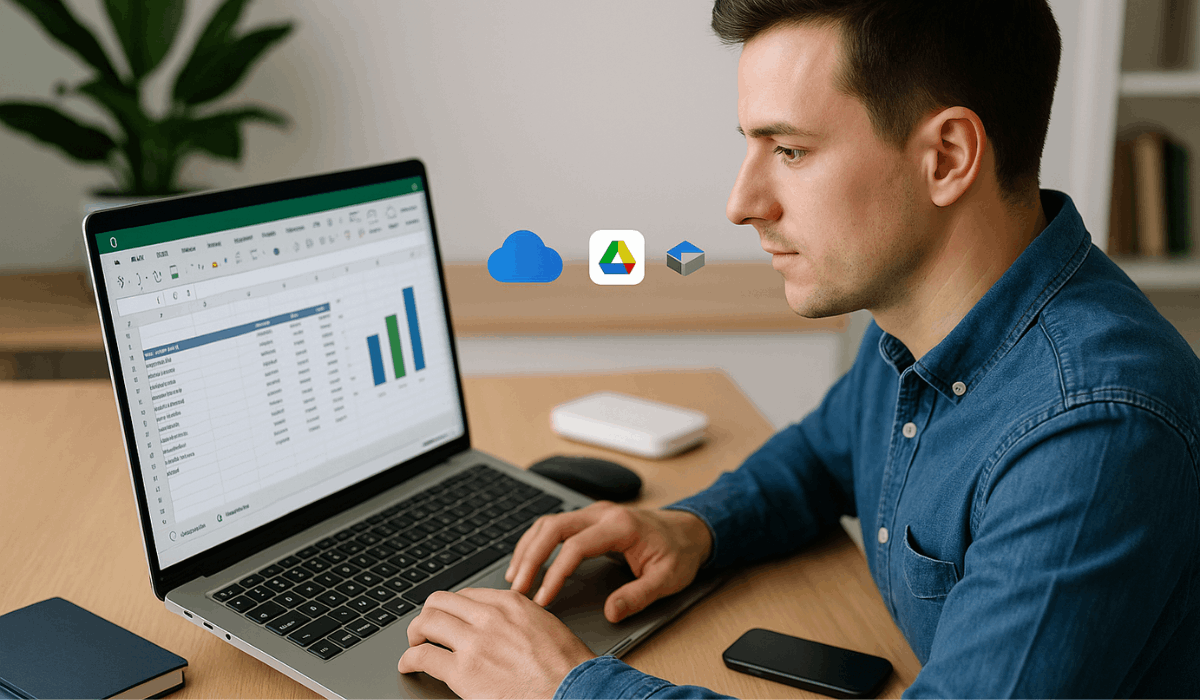
- Microsoft Excel: Essential for organizing, formatting, and analyzing data in spreadsheets.
- Google Sheets: Ideal for collaborative data entry and real-time editing with teams.
- Airtable: Combines spreadsheet functionality with database management features for complex projects.
- CRM Systems (like Salesforce or HubSpot): Used to input and manage customer information securely.
- Data Management Software (e.g., Zoho Creator, QuickBase): Helps structure and store data efficiently.
- Communication Tools (Slack, Microsoft Teams): Enable coordination with team members and supervisors.
- File Storage Platforms (Google Drive, Dropbox): Provide secure cloud-based access to files and backups.
- Automation Tools (Zapier, Power Automate): Simplify repetitive data entry tasks and improve productivity.
Remote Work Setup and Equipment Needed
Having the right remote work setup ensures you can complete data entry tasks efficiently and without interruptions.
A proper environment and reliable equipment improve accuracy, comfort, and security while working from home. Here’s what you’ll need:
- Computer or Laptop: Choose one with at least 8GB of RAM and a fast processor to handle large data files.
- High-Speed Internet: Aim for a stable connection of at least 25 Mbps to support real-time updates and cloud syncing.
- Ergonomic Workspace: Use a supportive chair, an organized desk, and proper lighting to stay comfortable and focused.
- Dual Monitors (Optional): Ideal for managing multiple spreadsheets or windows at once.
- Noise-Canceling Headset: Helps maintain focus during meetings or virtual training sessions.
- Backup Storage: Secure your files with external hard drives or cloud services such as Google Drive or Dropbox.
- Keyboard and Mouse: Prefer ergonomic designs for long typing sessions.
- Security Tools: Install VPN and antivirus software to protect the company and client data.
Final Takeaway
Remote data entry jobs continue to offer flexible, stable opportunities for workers worldwide in 2025.
With the right skills and reliable setup, you can build a rewarding career from the comfort of your home.
Start your job search today and take the first step toward a productive and flexible remote work future.